Seafood is more than just a source of protein in West Africa, it is a livelihood, a cultural staple, and a growing commercial opportunity. From local markets to high-end restaurants and supermarkets, demand for quality seafood continues to rise. However, as demand increases, so does pressure on marine ecosystems and fishing communities.
This is where sustainably farmed seafood becomes not just important, but essential.
At Kisumeo, we believe premium seafood should not come at the expense of the environment or the people who produce it. Sustainable aquaculture offers a smarter path forward — one that protects natural resources, empowers farmers, and ensures consistent, high-quality seafood all year round.
In this article, we explore why sustainably farmed seafood matters, especially in the West African context, and why businesses and consumers alike should care.
What Is Sustainably Farmed Seafood?
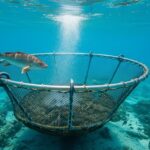
Sustainably farmed seafood refers to fish and seafood produced through aquaculture practices that are environmentally responsible, socially beneficial, and economically viable over the long term.
This means:
- Protecting natural water ecosystems
- Using responsible feed and farming methods
- Minimizing waste and environmental impact
- Ensuring fair income and safe conditions for farmers
- Unlike uncontrolled fishing, sustainable aquaculture allows seafood production to grow without depleting wild fish populations.
According to the Food and Agriculture Organization (FAO), aquaculture is now one of the fastest-growing food production sectors globally and plays a critical role in meeting future food demand sustainably.
Learn more from FAO: https://www.fao.org/aquaculture/en/
Why Sustainability Is Critical for West Africa
West Africa’s coastline and inland water systems support millions of livelihoods. Yet, overfishing, climate change, and poor regulation have placed increasing strain on fish stocks.
1. Declining Wild Fish Stocks
Many commonly consumed fish species are becoming harder to find due to overfishing.
This affects:
- Fish availability
- Prices
- Long-term food security
Sustainable aquaculture reduces pressure on wild stocks by offering a controlled and renewable alternative.
2. Food Security for a Growing Population
West Africa’s population continues to grow rapidly. Seafood plays a key role in meeting nutritional needs, providing high-quality protein, vitamins, and essential fatty acids.
Sustainably farmed seafood ensures:
- Year-round availability
- Predictable supply for businesses
- Stable pricing over time
This reliability is especially important for restaurants, hotels, and retailers that depend on consistent supply.
3. Economic Empowerment of Local Farmers
Sustainability is not only about the environment, it is also about people.
Responsible aquaculture:
- Creates stable income for farmers
- Reduces dependency on unpredictable wild catches
- Enables skills development and technology adoption
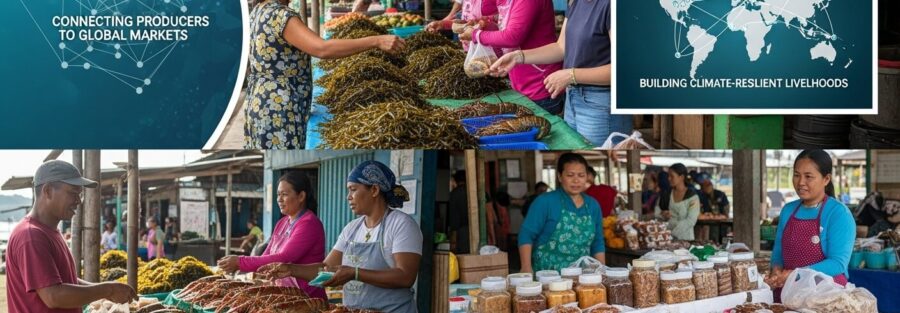
At Kisumeo, we support farmers with affordable, technology-driven solutions that help them improve yields while maintaining responsible practices.
Environmental Benefits of Sustainable Aquaculture
Choosing sustainably farmed seafood has a direct positive impact on the environment.
Reduced Pressure on Oceans and Rivers
By producing seafood in controlled environments, aquaculture helps preserve natural ecosystems and biodiversity.
Lower Carbon Footprint
Locally farmed seafood often travels shorter distances, reducing emissions linked to long-haul imports.
Responsible Water and Feed Management
Modern aquaculture uses improved feeding systems and water monitoring to minimize waste and pollution.
The United Nations recognizes sustainable aquaculture as a key contributor to achieving global sustainability and climate goals.
Read more from the UN: https://www.un.org/en/climatechange/sustainable-food-systems
Premium Quality Starts With Sustainable Practices
There is a common misconception that farmed seafood is inferior. In reality, well-managed aquaculture often delivers more consistent quality than wild catch.
Sustainably farmed seafood offers:
- Uniform size and quality
- Better freshness control
- Reduced exposure to contaminants
- Traceability from farm to table
For businesses, this means fewer surprises and better planning. For consumers, it means confidence in what they are eating.
Why Businesses Should Care About Sustainability
For restaurants, hotels, supermarkets, and distributors, sustainability is no longer optional — it is a competitive advantage.
1. Customers Are Paying Attention
More customers want to know:
- Where their food comes from
- How it is produced
- Whether it aligns with ethical and environmental values
Sourcing sustainably farmed seafood builds trust and brand credibility.
2. Supply Chain Reliability
Wild fishing is seasonal and unpredictable. Sustainable aquaculture allows:
- Year-round supply
- Better inventory planning
- Reduced risk of shortages
This reliability is essential for growing food businesses.
3. Long-Term Cost Stability
As wild fish stocks decline, prices fluctuate. Sustainable aquaculture helps stabilize supply and pricing over time.
How Kisumeo Supports Sustainable Seafood in West Africa
At Kisumeo, sustainability is not a buzzword — it is built into how we operate.
We achieve this by:
- Partnering with responsible local farmers
- Supporting tech-enabled farming practices
- Maintaining strict quality and sourcing standards
- Ensuring seafood is handled and delivered with care
Our model allows us to supply premium, responsibly sourced seafood while empowering farming communities and protecting the environment.
Sustainability and the Future of Seafood
The future of seafood in West Africa depends on the choices made today.
Sustainably farmed seafood:
- Protects ecosystems
- Supports local economies
- Improves food security
- Ensures premium quality for buyers
As demand grows, businesses and consumers who prioritize sustainability will help shape a healthier, more resilient seafood industry.
Final Thoughts
Choosing sustainably farmed seafood is not just a responsible decision — it is a smart one.
For West Africa, it means:
- Reliable access to high-quality seafood
- Empowered farming communities
- Healthier ecosystems for future generations
At Kisumeo, we are committed to delivering premium seafood you can trust, produced responsibly and available all year round.
Ready to source premium, responsibly farmed seafood?
Partner with Kisumeo today and experience reliable, sustainable seafood supply built for the future.